
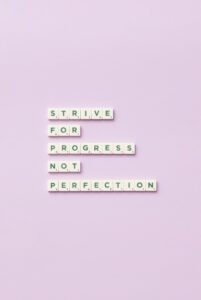
Anyone suffer from being a perfectionist? As leaders, we are conditioned to chase excellence. We want the flawless presentation, the bulletproof strategy, and the change that lands well. But in today’s fast-paced environment, this pursuit of perfection can quickly transform into our greatest liability.
Voltaire famously wrote that “the best is the enemy of the good.” You might have also heard “done is better than perfect.”
Now some of you might have already leapt to, come on, that’s just an invitation for average work; however, it is about recognising when holding out for “perfect” is a symptom of fear: fear of criticism, fear of failure, or fear of exposure. When we delay decisions or over-engineer solutions, perfection becomes the enemy of progress because it paralyses action.
Our ultimate challenge as senior leaders is navigating this tension. We must create a pacey culture that embraces momentum and rapid iteration, while simultaneously maintaining a rock-solid foundation of quality. True leadership means knowing the difference between a product that is “good enough to ship and learn from” and work that is simply substandard.
Moving from perfectionism to purposeful progress requires us to shift our mindset from getting it right the first time to getting it right through iteration, empowering our teams to launch, learn, and adapt.
With that in mind, take time to think:
- Where is perfectionism currently stalling momentum in your team or organisation? Think of a project, decision, or launch that is currently delayed. Is the delay genuinely protecting quality, or is it a symptom of analysis paralysis?
- How do you react when there is a “good enough” initiative that needs improving? If a team ships an imperfect but functional solution that requires fast updates, do you praise their speed or penalise the flaws?
- What does “non-negotiable excellence” look like in your team or organisation? Can you clearly define the few areas where perfection is mandatory (e.g., compliance, core safety, values) versus the areas where good is good enough?
- How confident are you that your team know this?
As leaders, we can show our people that we are role modelling the changes that all of us want to see. Let’s be better and be the change.
If you would like to read more articles encouraging you to think and be the change then visit https://jhcoaching.co.uk or email [email protected] if you would like to discuss.